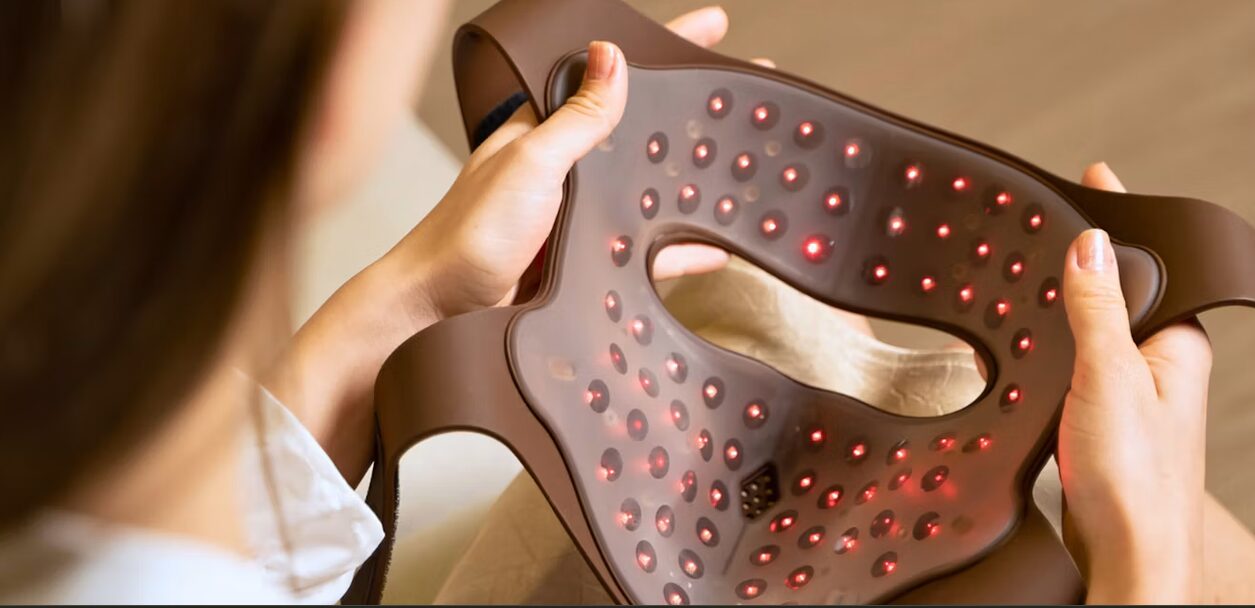
Interest in red light therapy has expanded rapidly as researchers continue studying how light interacts with the human body. Once used mainly in specialized clinical settings, this technology is now available through wellness centers, rehabilitation facilities, fitness clinics, and home devices. A red light therapy device exposes the body to carefully controlled wavelengths of red and near-infrared light that differ from ultraviolet light found in sunlight. Scientists are particularly interested in how these wavelengths affect cells and the biological processes that help keep the body functioning normally. While research continues to evolve, current studies have provided valuable insight into the relationship between red light therapy and cellular health. Understanding what current studies show allows people to better appreciate both the technology’s potential and its limitations.
Exploring Cellular Energy
Cells require energy to perform their normal functions. This energy is produced inside structures called mitochondria, often described as the cell’s power generators. Researchers studying photobiomodulation believe certain wavelengths of red and near-infrared light may interact with components inside mitochondria. Laboratory investigations suggest this interaction could influence how cells generate adenosine triphosphate, commonly known as ATP. ATP serves as the primary energy source that supports countless biological activities throughout the body. Although scientists continue investigating these mechanisms, mitochondrial activity remains one of the most widely studied areas within red light therapy research. Better understanding these interactions may help explain why researchers continue exploring possible wellness applications.
Examining Tissue Responses
Current studies extend beyond cellular energy production. Researchers are also evaluating how tissues respond after exposure to therapeutic light. Several laboratory and clinical investigations have examined how cells involved in muscle, skin, connective tissue, and other biological systems react under controlled conditions. Scientists continue measuring cellular signaling pathways, protein activity, and other biological markers that may help explain observed responses. It is important to recognize that findings often vary depending on treatment protocols, wavelengths, exposure times, and the specific tissues being studied. As a result, researchers emphasize the importance of carefully designed clinical trials before drawing broad conclusions about therapeutic effectiveness.
Investigating Recovery Processes

Recovery represents another area receiving considerable scientific attention. Physical activity naturally places temporary demands on muscles and connective tissues, prompting the body to begin normal recovery processes afterward. Researchers have explored whether red light therapy may influence certain biological events associated with recovery. Some studies report measurable cellular changes following light exposure, although results remain mixed across different research designs. Scientists continue evaluating how treatment timing, dosage, and individual differences influence outcomes. Larger clinical studies are still needed to clarify how these laboratory findings translate into everyday health applications.
Comparing Clinical Evidence
Scientific evidence continues growing, but it is important to distinguish between laboratory research and clinical outcomes involving human participants. Laboratory experiments provide valuable information about cellular behavior under controlled conditions. Clinical studies, however, examine how treatments perform in real-world situations involving people with varying health conditions, lifestyles, and biological differences. Current reviews generally conclude that red light therapy shows promise across several areas of investigation, while also acknowledging that additional high-quality research remains necessary. Many scientists recommend larger studies with standardized treatment protocols to improve consistency across future investigations. This balanced interpretation helps prevent unrealistic expectations while encouraging continued scientific exploration.
Understanding Safe Use
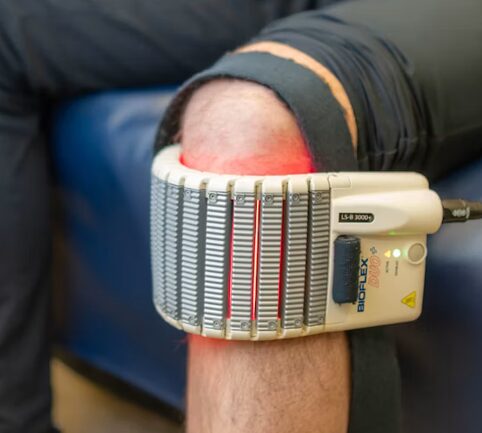
Current research also emphasizes safety when red light therapy is used according to established guidelines. Unlike ultraviolet radiation, therapeutic red and near-infrared wavelengths do not rely on damaging ionizing radiation to produce their effects. Most reported side effects remain relatively minor when approved devices are used properly. Nevertheless, users should always follow manufacturer recommendations regarding treatment duration, distance, and eye protection when appropriate. Individuals with existing medical conditions, those taking medications that increase light sensitivity, or anyone uncertain about treatment suitability should consult qualified healthcare professionals before beginning regular use. Responsible practice remains an important part of safe wellness technology adoption.
Following Future Research
The scientific understanding of red light therapy continues advancing each year. Researchers worldwide are conducting new investigations into cellular biology, tissue repair, neurological function, metabolic activity, and many other areas of medicine and wellness. Improved technology is also supporting more precise studies. Modern equipment allows researchers to better control wavelength selection, treatment intensity, exposure duration, and treatment frequency. These advances improve research quality while helping scientists answer important questions that remain unresolved. As evidence grows, future recommendations will likely become more refined. Continued research will determine which applications receive the strongest scientific support and which require additional investigation.
Current studies show that red light therapy continues to attract scientific interest because of its interaction with cellular energy production, tissue responses, recovery processes, and broader biological activity. Research into mitochondrial function remains one of the central areas of investigation, while ongoing clinical studies seek to better understand how laboratory findings apply to human health. Understanding red light therapy and cellular health requires balancing optimism with scientific evidence. Researchers have made meaningful progress, yet many important questions remain under investigation. As new studies continue expanding knowledge, red light therapy will likely remain an active area of scientific research. Individuals interested in the technology should rely on credible information, follow safe usage guidelines, and recognize that continued research will shape future recommendations regarding its role in supporting overall wellness.